


hanahau‘oli is Joyous Work
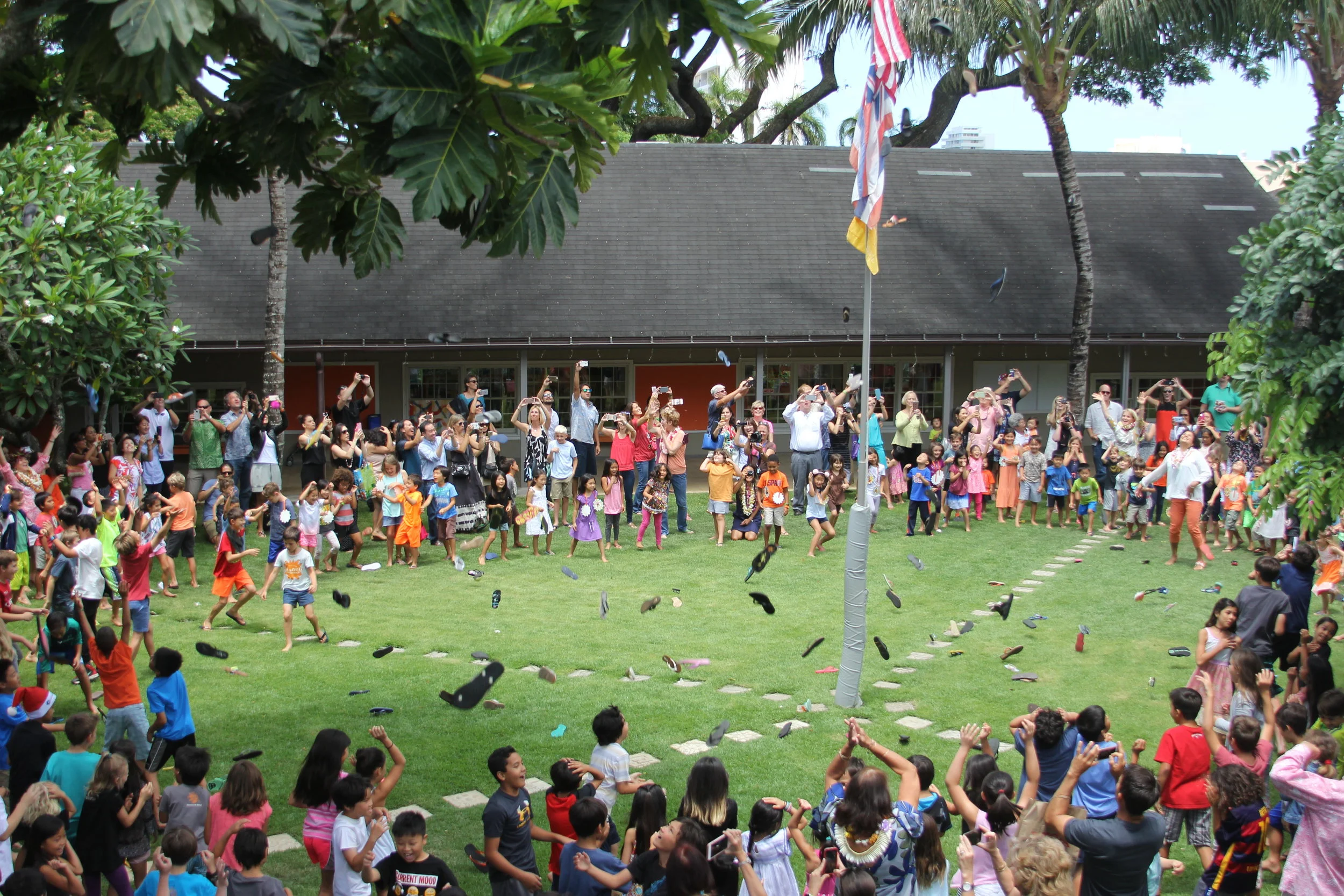
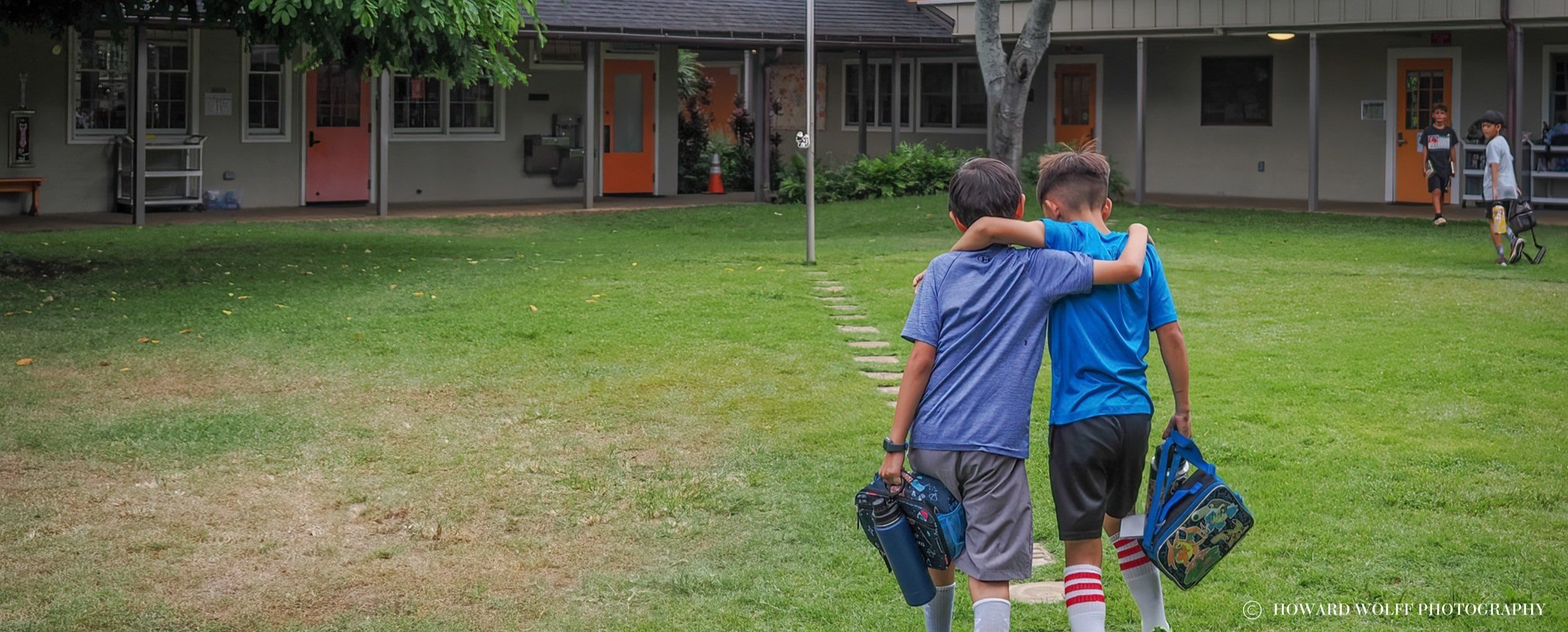
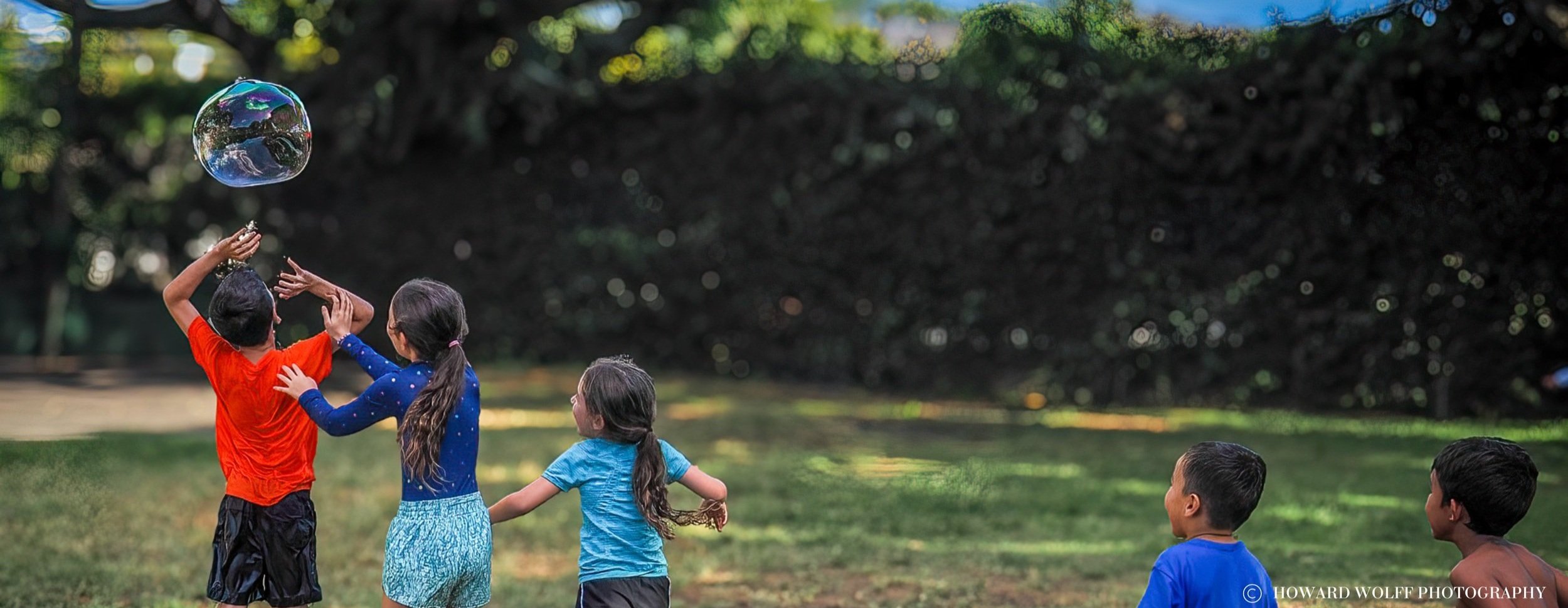
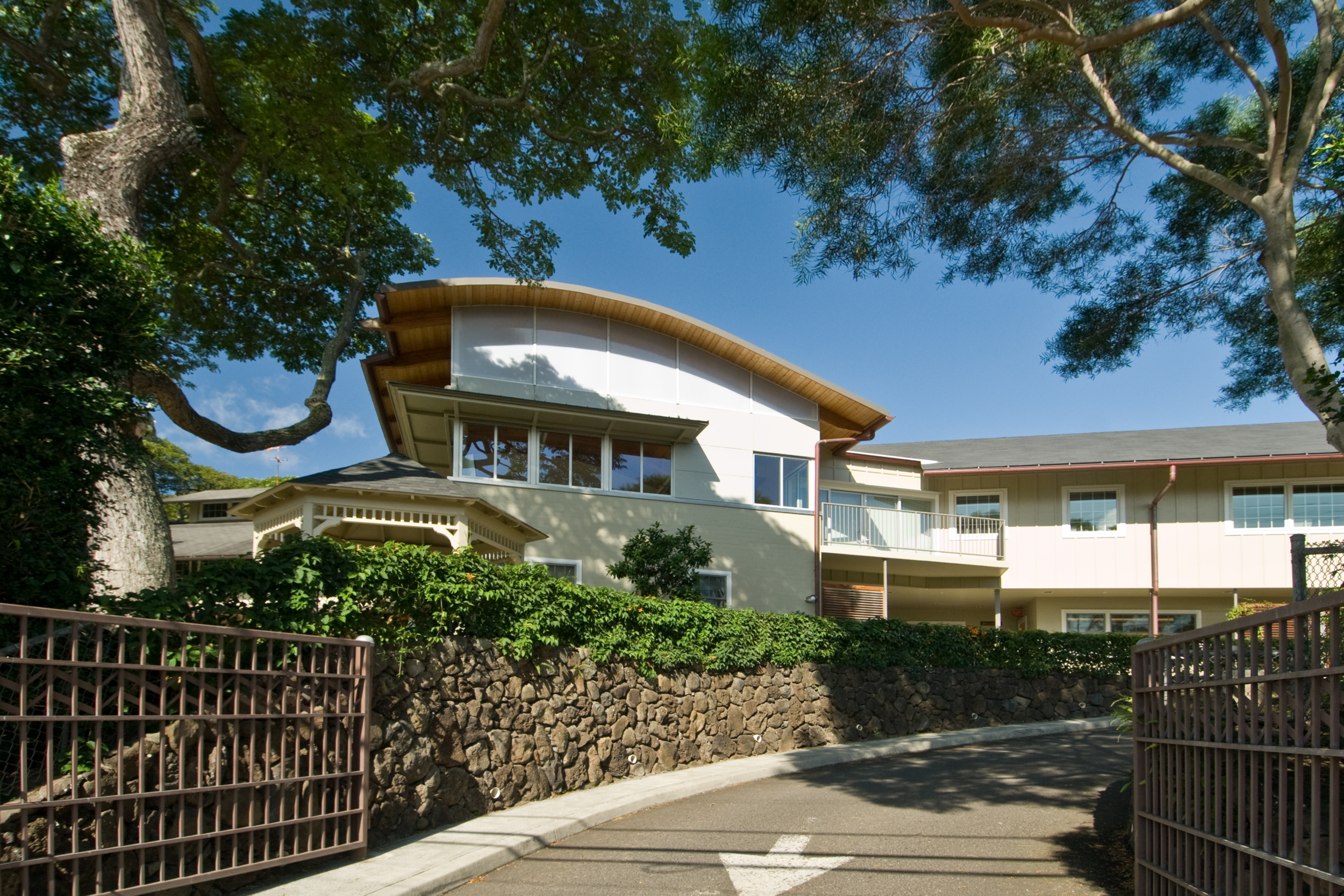
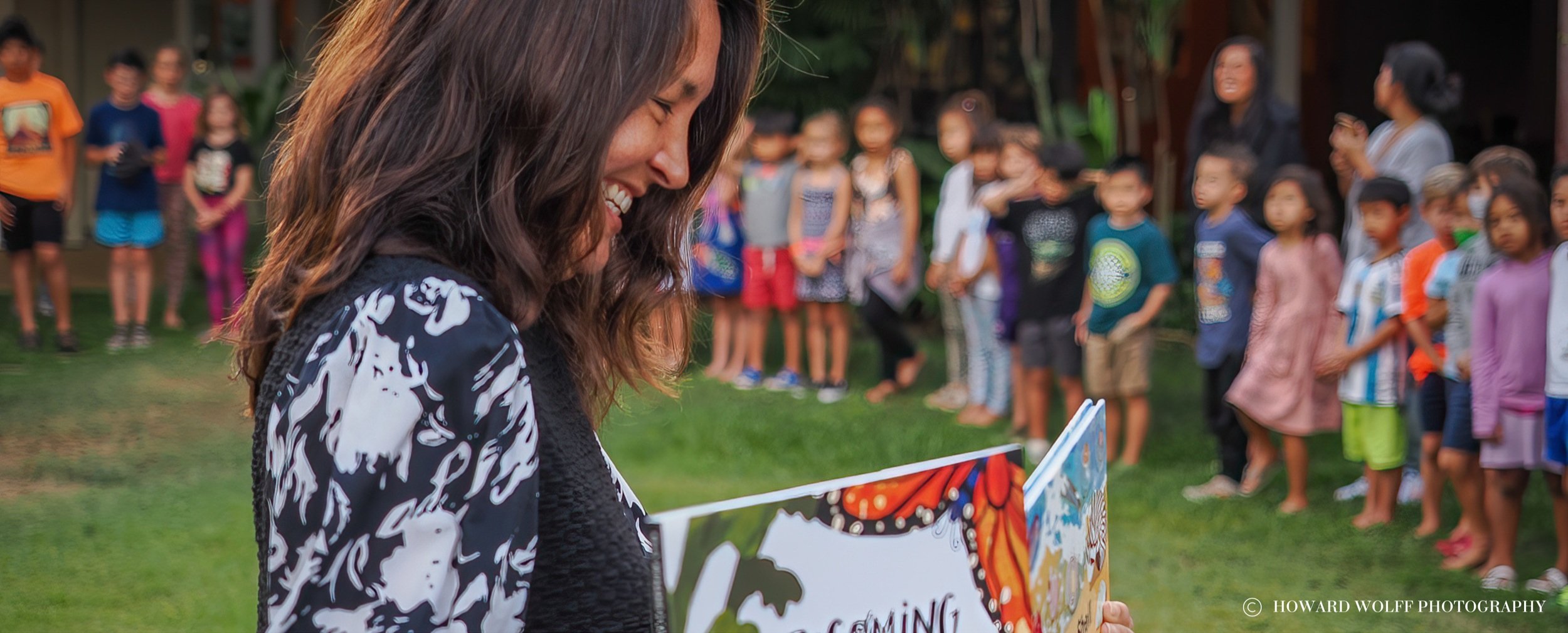
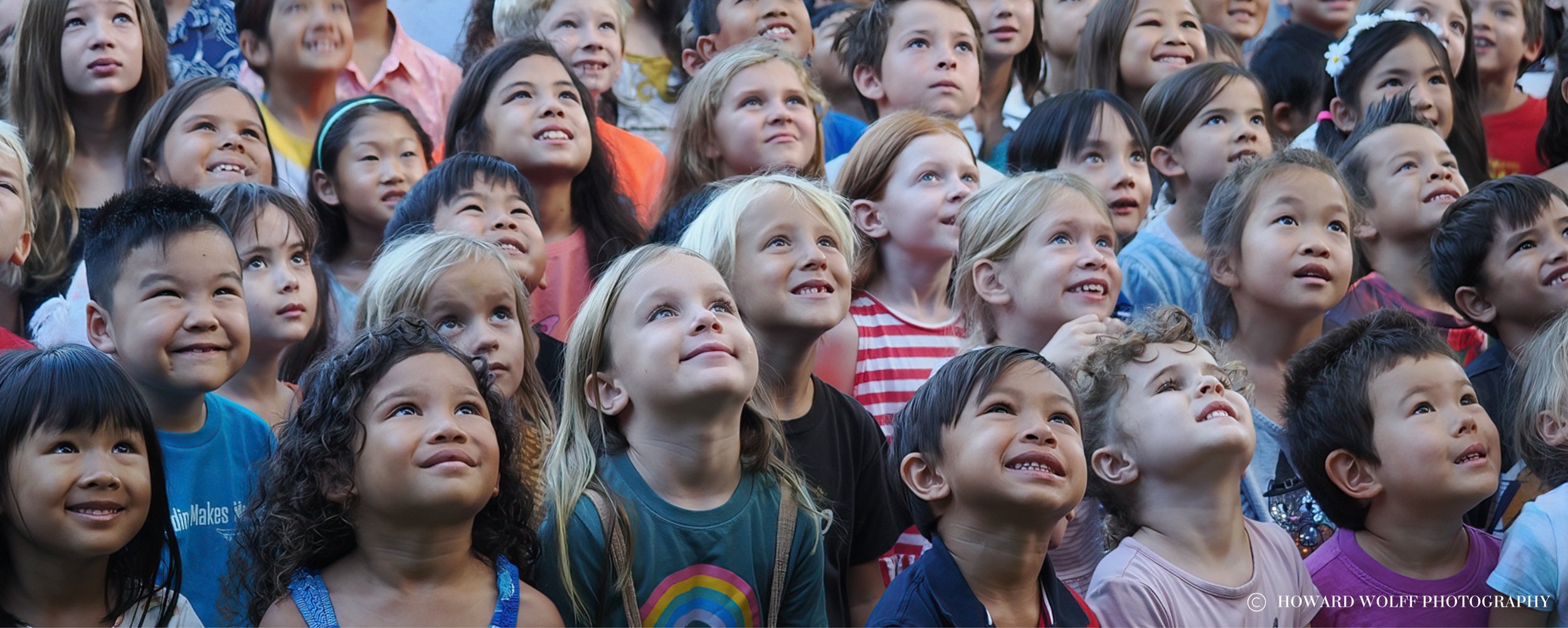
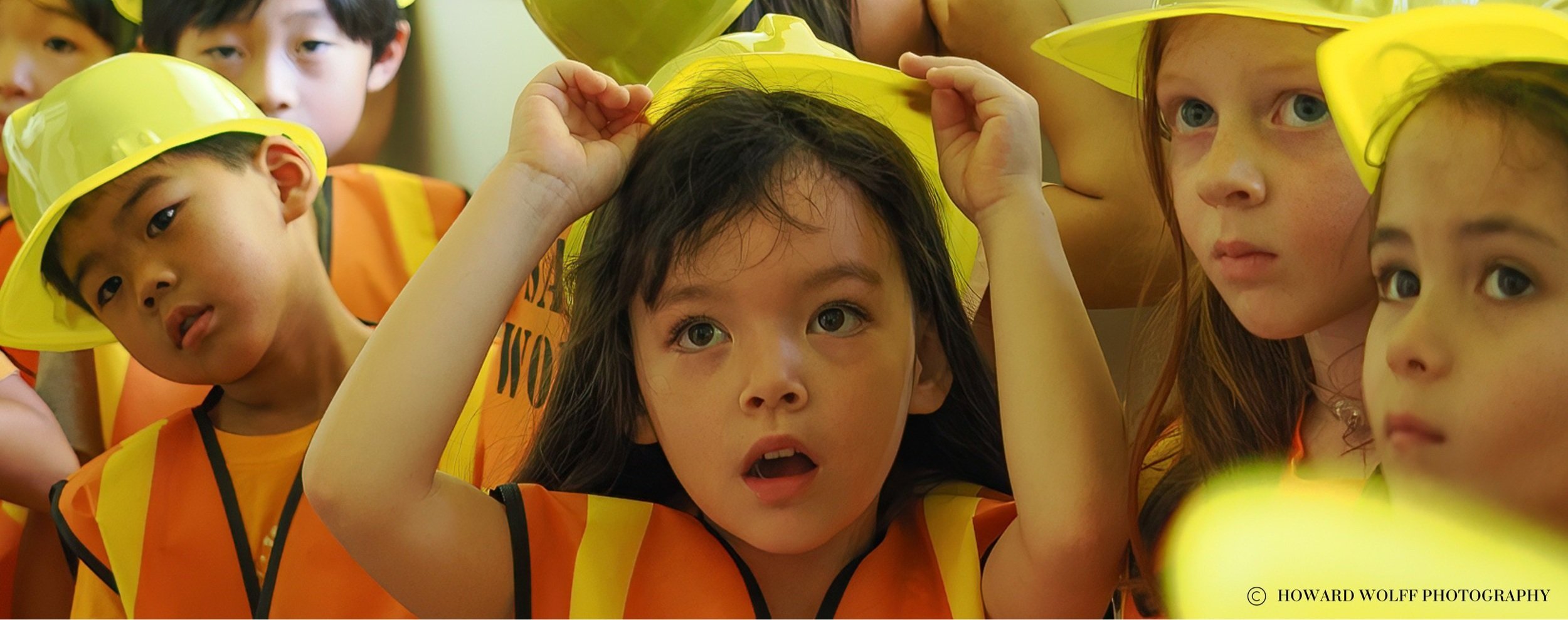
Hanahau‘oli School nurtures life-long learners – children, teachers, and parents. Since the school’s founding in 1918, Hanahau‘oli honors the natural way Junior Kindergarten - 6th Grade children learn – through doing – by making learning exciting, challenging and enjoyable. Our intimate and nurturing learning community supports connections between home and school and the world, respecting and celebrating the uniqueness of the Hanahau‘oli child while appreciating the interconnectedness that defines our learning ‘ohana. Grounded in tradition yet embracing of innovation, we perpetuate “joyous work,” committed to being a resource and symbol of learning’s potential.
“Progressive education...is a moving, dynamic, changing education – not a theory or a system proved and therefore static, but a living thing, growing, continuously having to change because of the three great changing elements with which we deal – children, environment and civilization or culture. This should not indicate instability or following fads, nor change of fundamental principles. But it does indicate a readiness to accept a new viewpoint when the need for it arises; it does indicate watching life and children alertly – not passively as so much former education has done.”
Joyous Work in Action
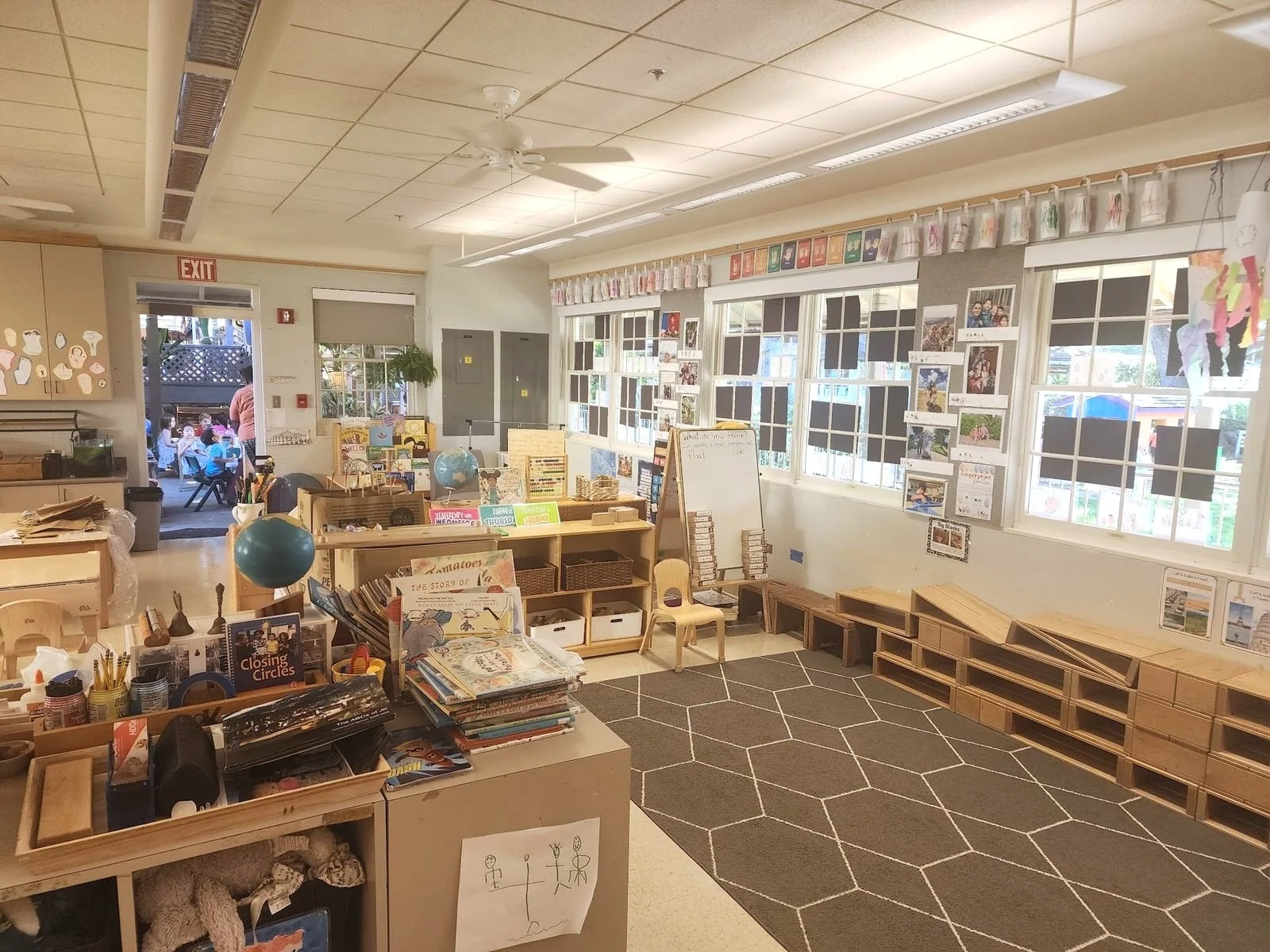

Progressive Philosophy and Pedagogy Blog
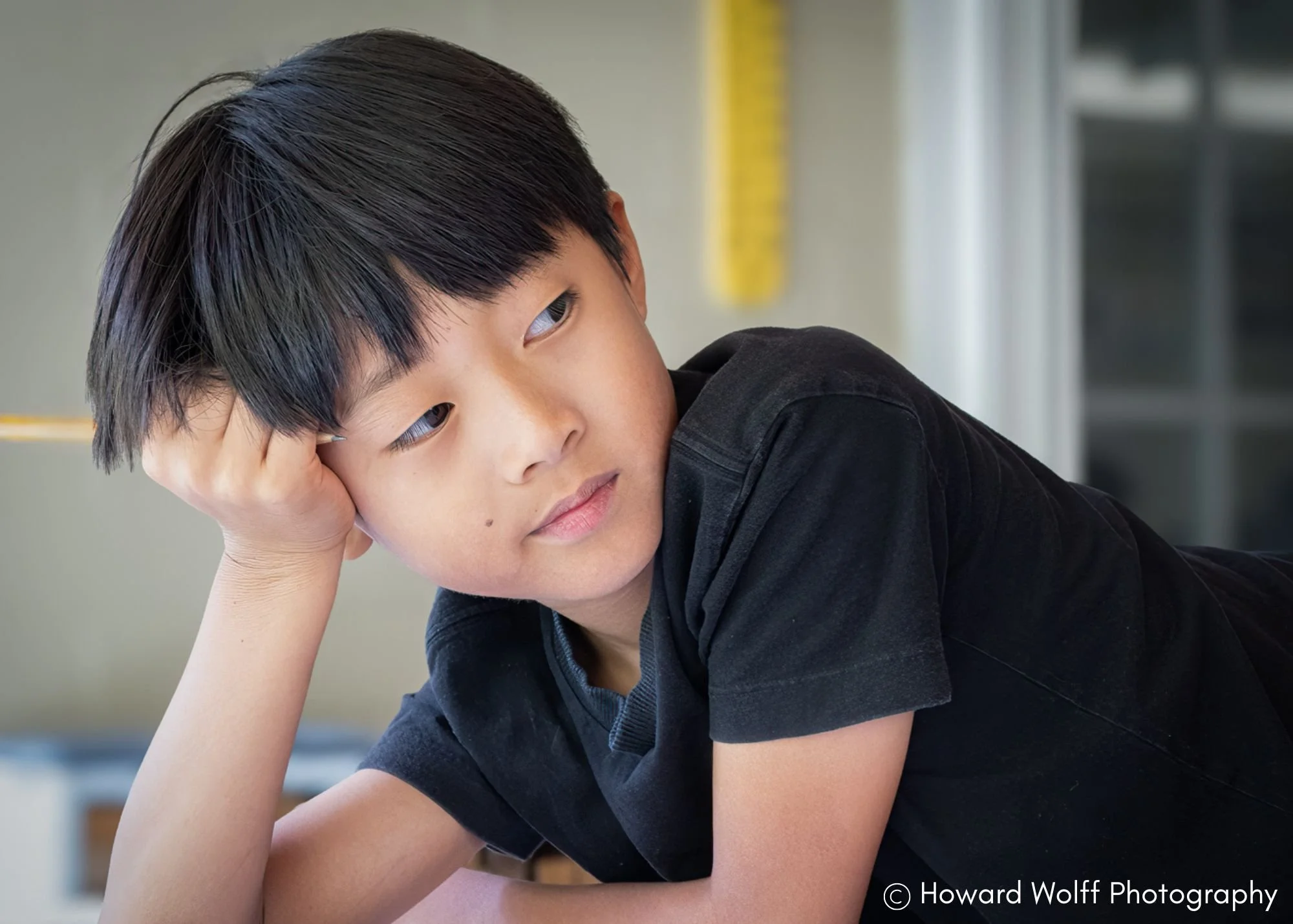
Hanahau‘oli School Instagram
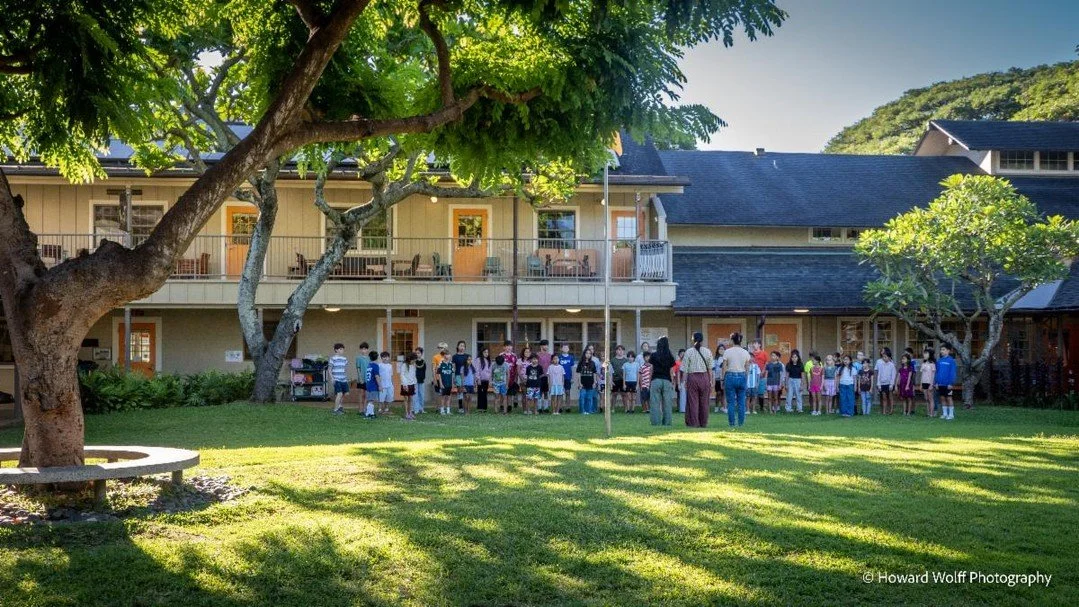
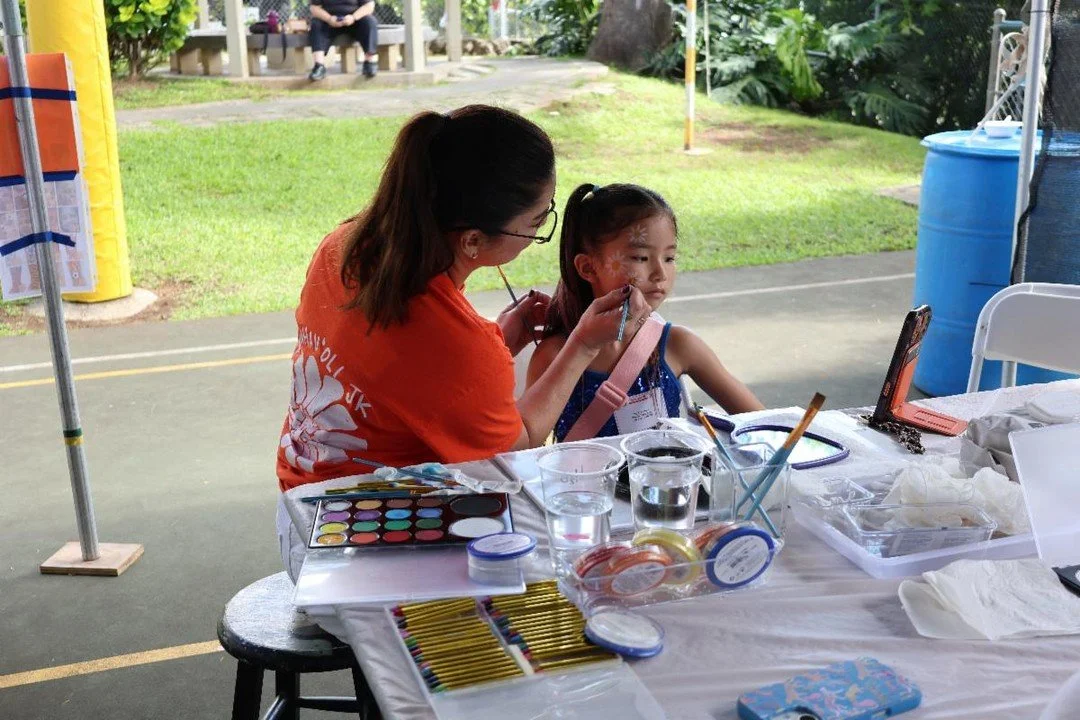
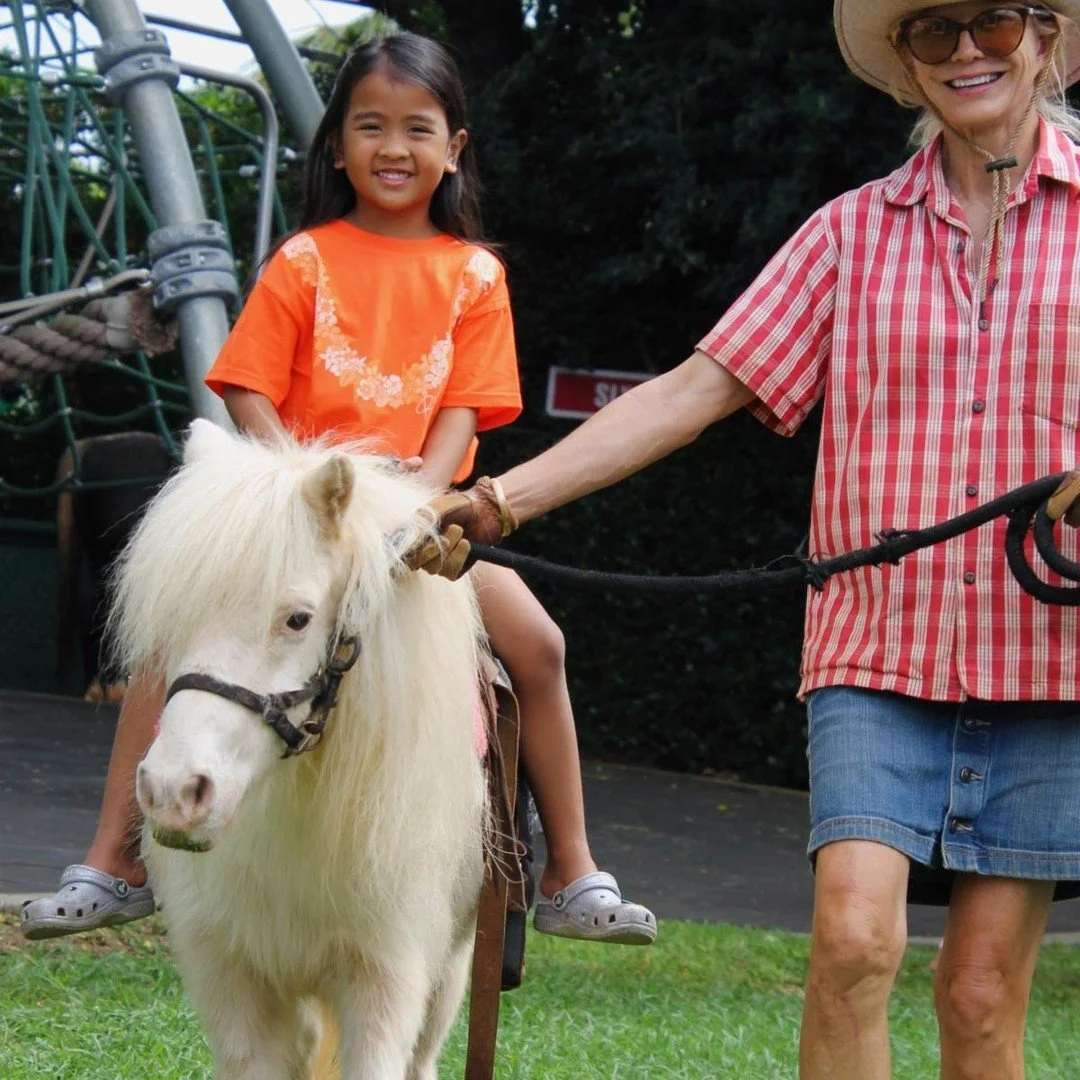
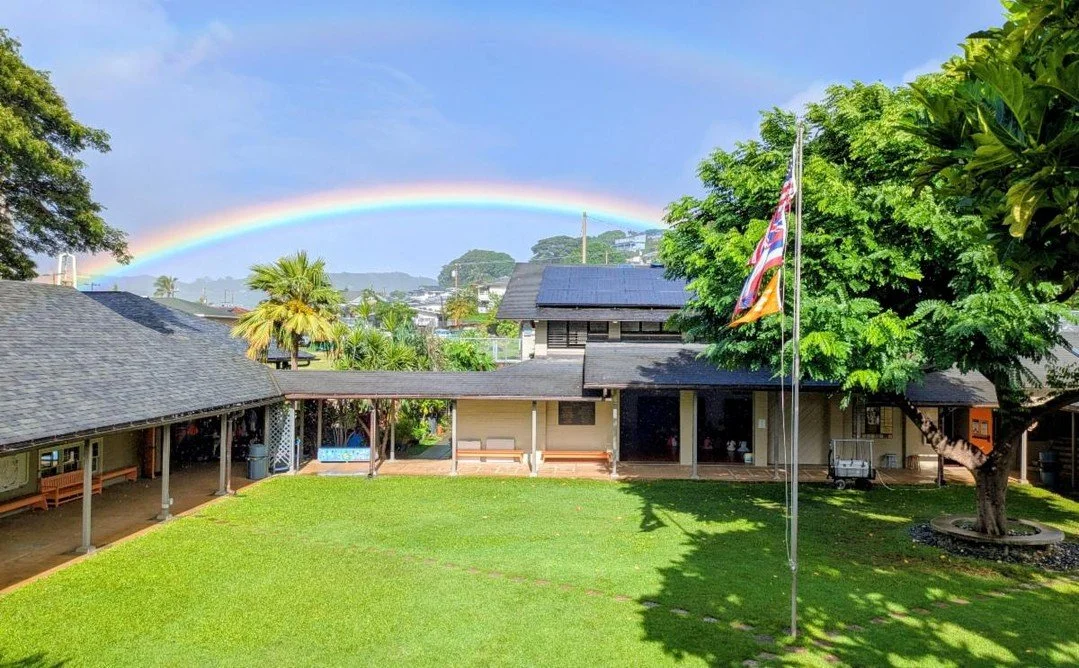


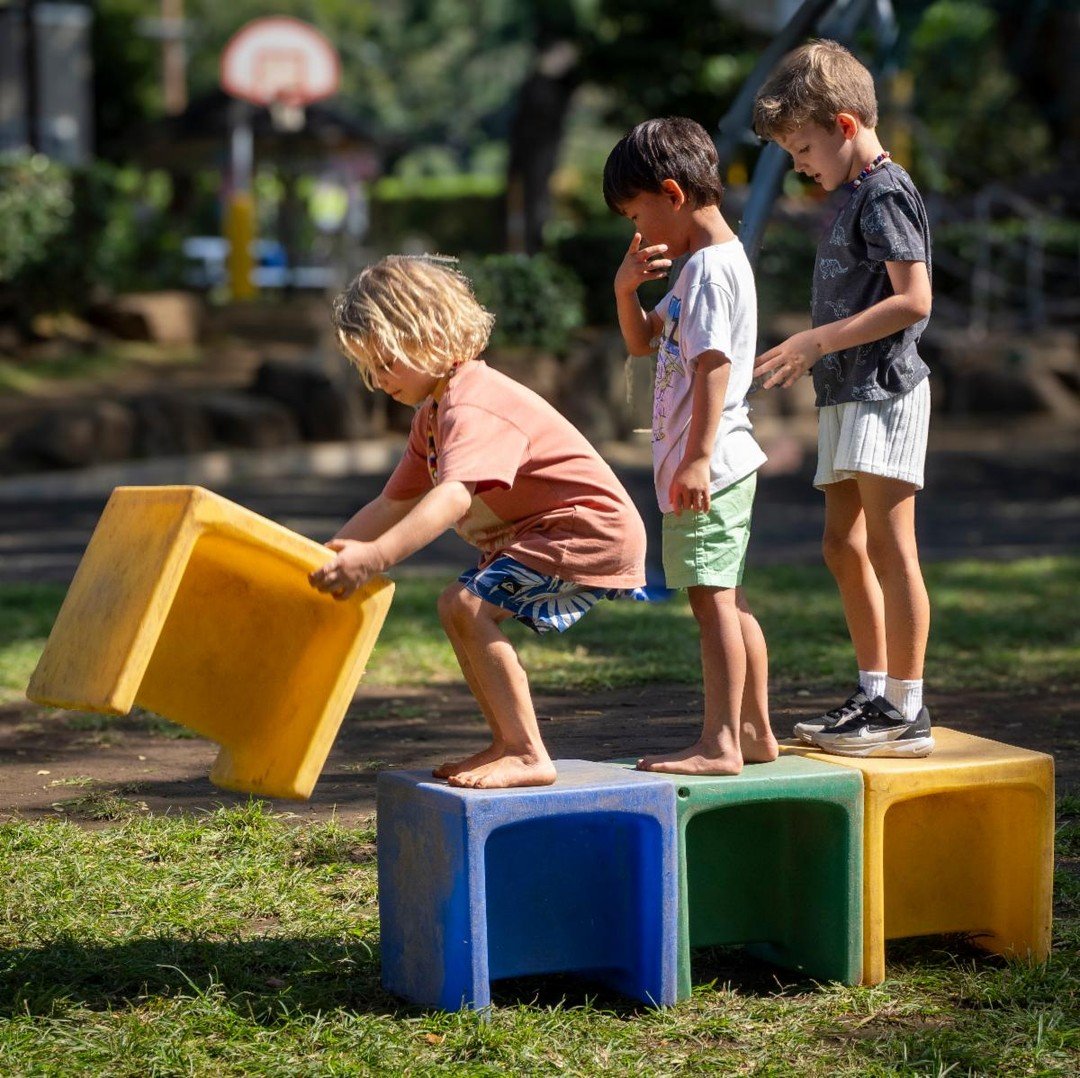

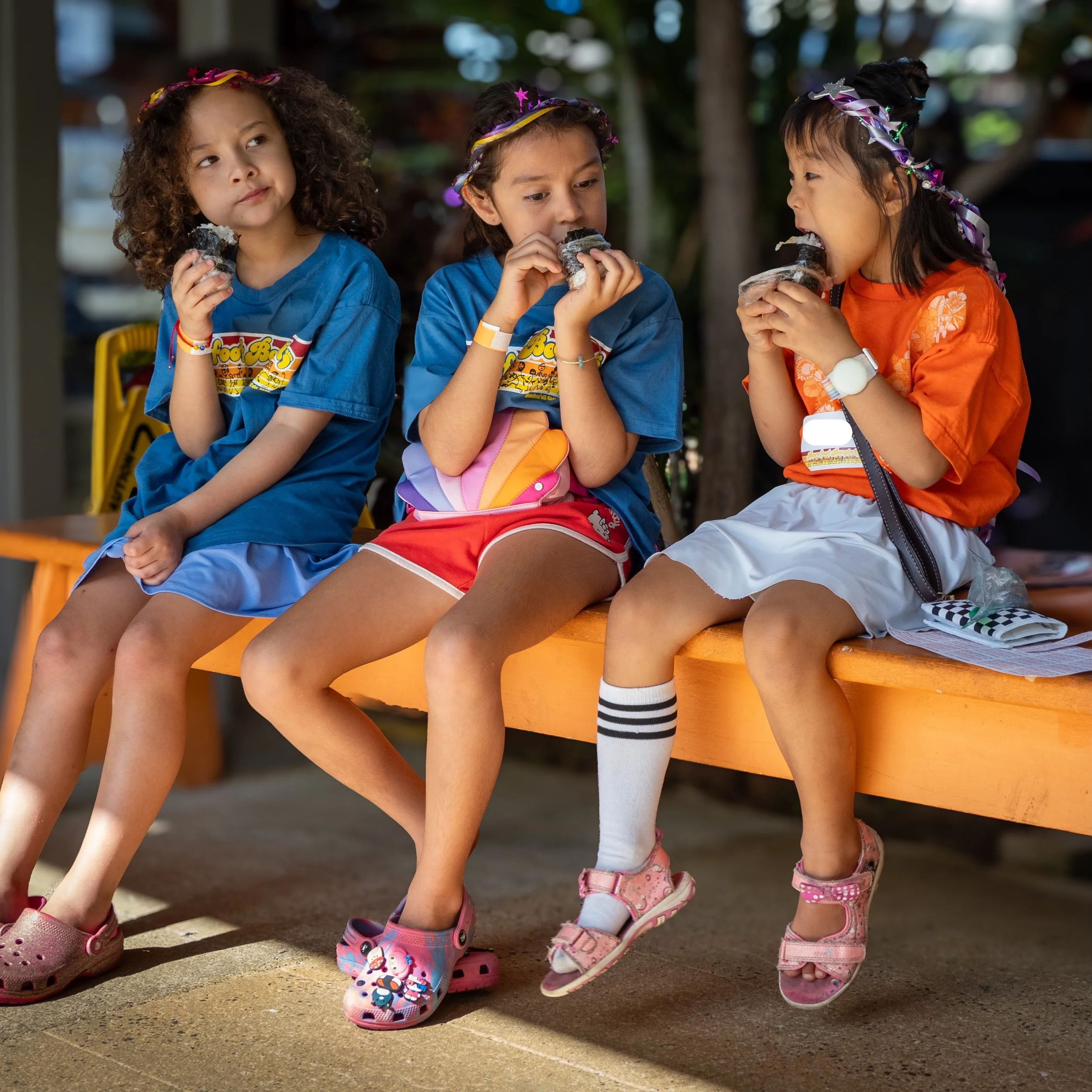
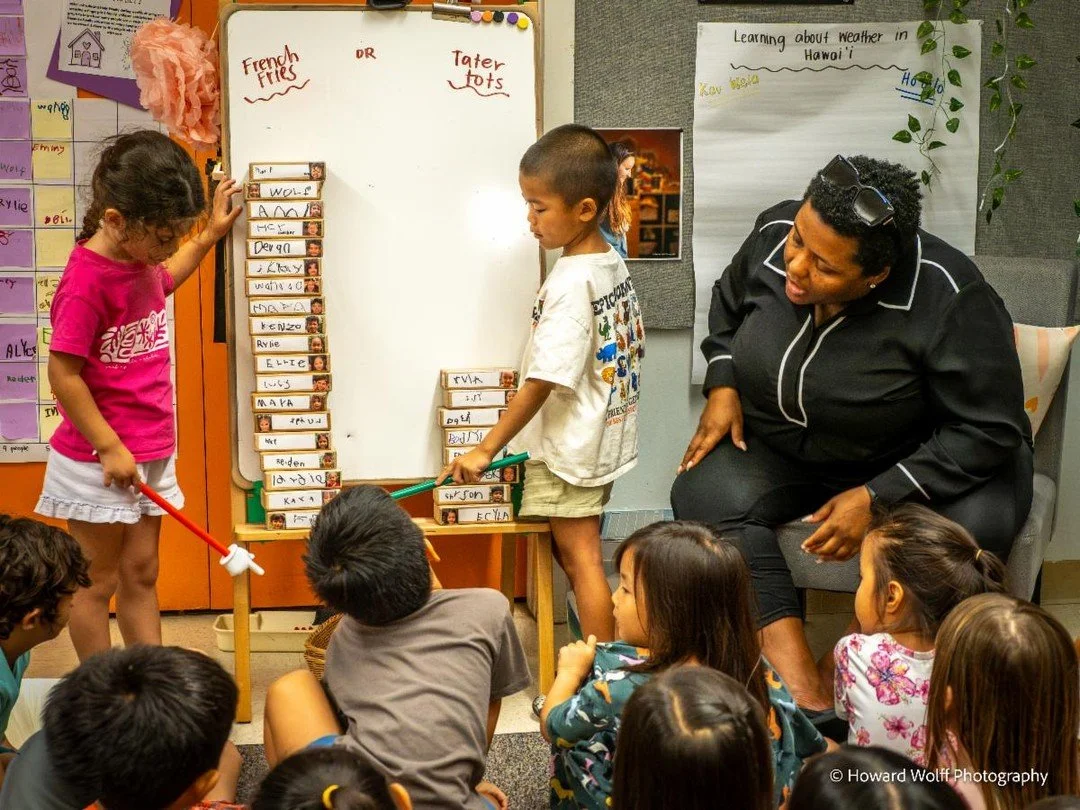

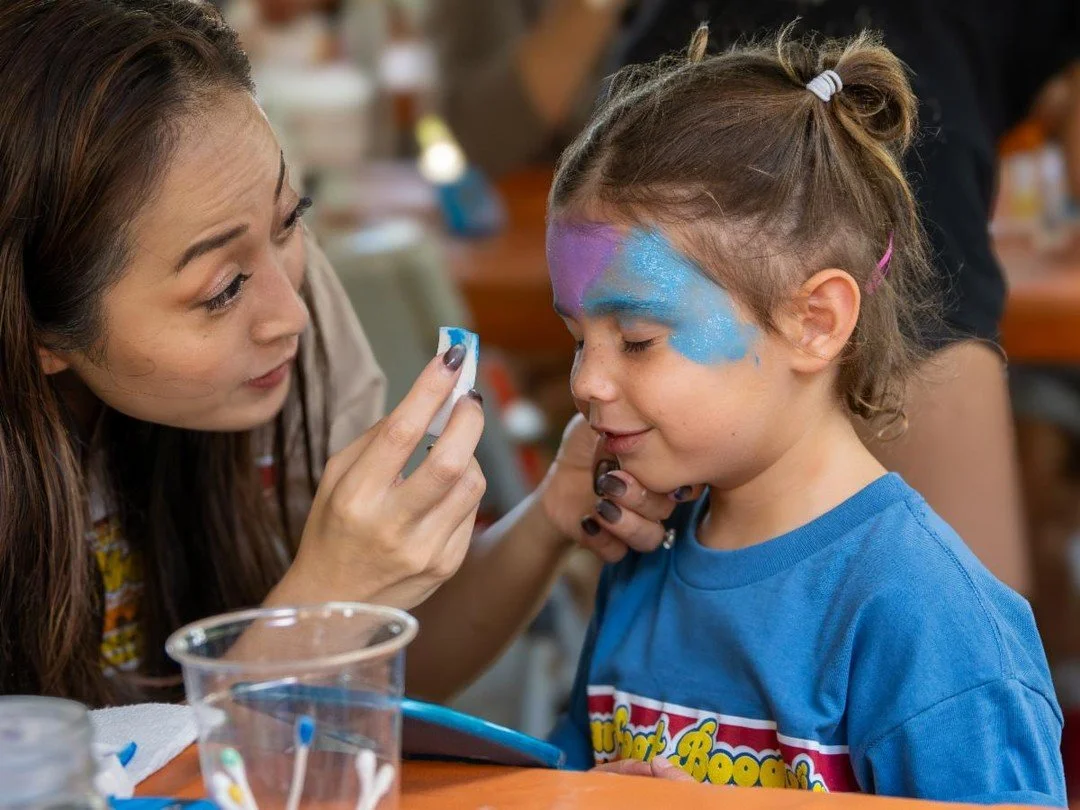
““Hanahau‘oli is my sanctuary, where I’ve met so many amazing people, friends, and teachers, have uncovered talents and discoveries, and most importantly, where I learned to use my hands and hear my heart.””
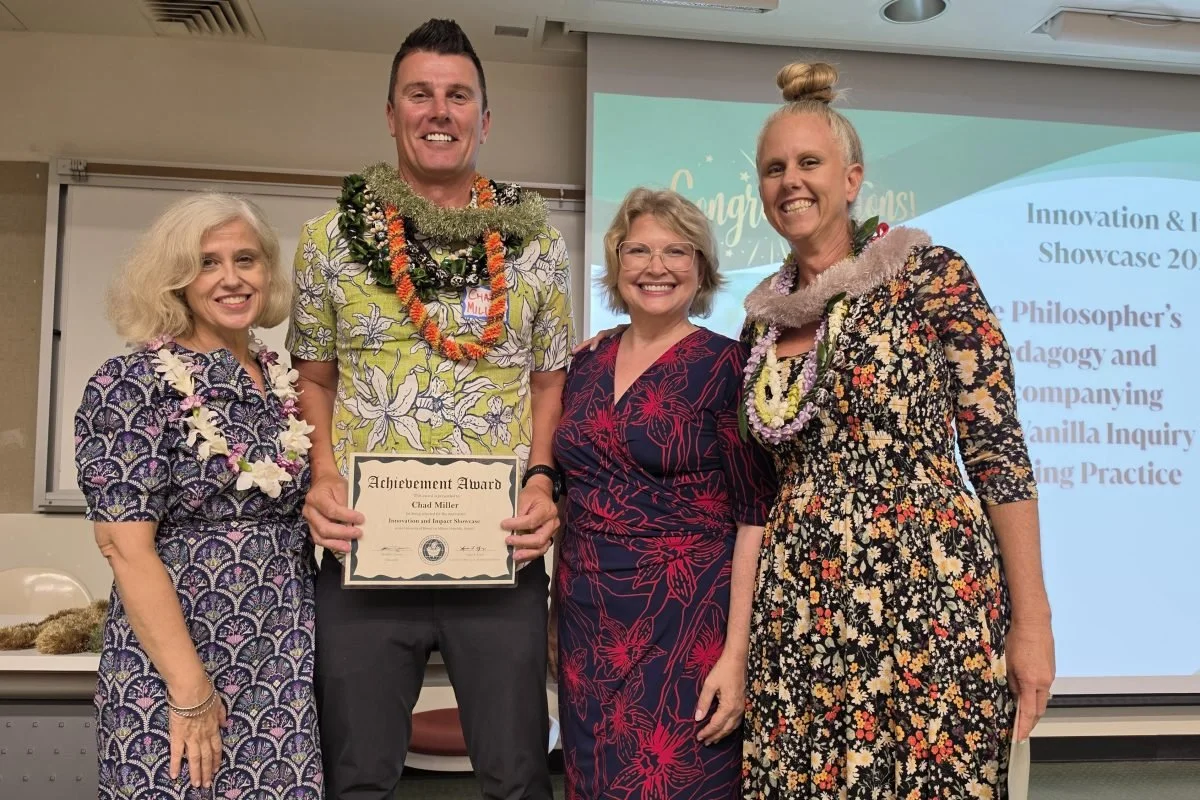
Historically, progressive education schools and institutions have generally rejected traditional, high-stakes teacher evaluations based on standardized test scores. They tend to favor collaborative, qualitative growth models that focus on peer review, reflective practice, and portfolio assessment, rather than ranking or punishing teachers with rigid metrics. Today, this progressive education stance on teacher evaluation is increasingly supported by research, such as a national study from the Annenberg Institute at Brown University titled The Effect of Teacher Evaluation on Achievement and Attainment. In this study, Bleiberg (2021) and colleagues conclude that post-2009 state reforms instituting high-stakes teacher evaluations yield null effects on average, showing no measurable improvement in student test scores or educational attainment. Knowing that standardized accountability-based teacher evaluations or consequential performance appraisals tied to student test scores do not improve teaching and ultimately student learning, what might a more progressive approach to teacher evaluation look like?